




Day Hiking Backpacks
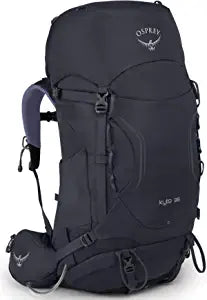
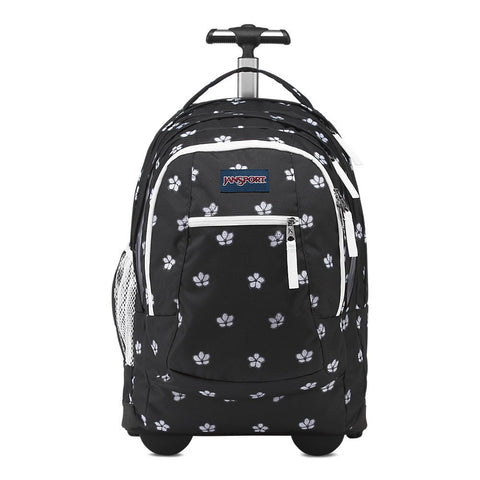
Day hiking backpacks are built for trail loads that are larger and denser than a casual walk but do not include an overnight sleep system. The right pack should keep water, food, layers, navigation and emergency essentials stable while allowing quick access as weather and terrain change. Browse the current products below, then use this buying guide and 15-article research library to compare capacity, fit, hydration, rain protection and packing strategy.
Quick answer: what should you look for in a day hiking backpack?
Start with the route and complete load. Lay out the water, food, insulation, rain layer, navigation, first aid and personal items required for a representative hike. Choose the smallest pack that carries that kit without forced closures, insecure exterior storage or concentrated pressure. Test the pack loaded over normal hiking clothing and confirm that urgent items remain easy to retrieve.
As an Amazon Associate, we may earn from qualifying purchases.
Choose capacity from gear, weather and trail length
A liter number is only a starting point. Short warm-weather routes may fit a compact pack, while longer outings, cold conditions or large water carries can require substantially more space. Back-panel curves, hydration sleeves and pocket layouts also change how much nominal capacity is usable. Pack the bulkiest likely layers and heaviest normal water load before deciding.
Leave enough room for ordinary packing rather than designing a perfect puzzle that fails when a jacket is removed. At the same time, avoid unnecessary volume that allows dense contents to swing. Compression straps can improve control when the pack is partly full, but they cannot rescue a poor size match.
Fit the backpack while it is loaded
Adjust a supportive hipbelt first, then settle the shoulder straps, sternum strap and load lifters if present. The harness should create even contact without numbness, rubbing or restricted breathing. Walk, climb stairs, bend and rotate carefully. A pack that feels fine while empty may pull backward or create pressure after water is added.
Gender labels can help narrow a search, but torso length, shoulder geometry and hipbelt placement decide real fit. Try different harness shapes when one model reaches extreme strap settings or needs constant readjustment. Test over the layers normally worn because clothing thickness changes the fit.
Hydration choices
Side bottles make water easy to inspect and refill, but pockets must hold them securely and remain reachable. Reservoirs encourage frequent sipping and center water close to the back, yet they require a compatible sleeve, secure hanger, clean hose routing and regular drying. Hydration-compatible does not always mean that a bladder is included.
Plan the quantity of water from the route, temperature, exertion and reliable refill sources. Keep possible leaks away from electronics and dry insulation. Test a full reservoir before the hike and verify that its hose does not conflict with the sternum strap or other equipment.
Weather protection
Water resistant and waterproof are different claims. Face fabric may shed a brief shower while seams and zippers remain vulnerable. A fitted rain cover can protect much of the bag, although the harness stays exposed and wind can affect the cover. Confirm the exact current product description rather than relying on a waterproof-sounding title.
Critical insulation, electronics and emergency supplies deserve independent dry protection when getting wet has consequences. Weather also changes capacity: a cool morning layer that begins on the body may need to fit inside the pack later.
Organization and trail access
Pack by urgency. Navigation, food, rain protection, sun protection and first-aid items should not require unloading everything onto the trail. Test zippers after the pack is full, check whether compression straps block openings and verify that hipbelt pockets fit the actual items intended for them.
Place dense gear close to the back and keep hard edges from creating pressure. Separate sharp objects from a hydration reservoir. Secure loose straps so they do not snag. A simple layout that supports the routine is usually better than numerous small pockets with no clear purpose.
Lightweight packs and long-day support
Lower empty weight helps only when the pack still supports the planned load. Minimal fabrics and simple harnesses can work well for a disciplined kit on short or fast routes. Longer days, heavier water carries and more variable weather may justify added structure, pocket access and a load-bearing hipbelt.
Compare total carried weight rather than pack weight alone. A slightly heavier backpack that controls water and removes shoulder pressure may feel better after hours of walking than the lightest empty design. Build distance progressively before relying on a new pack for an all-day route.
Materials, inspection and care
Inspect shoulder-strap anchors, zipper ends, the base, bottle-pocket edges and compression stitching. Fabric specifications provide context but do not replace construction quality or care. Operate buckles with the hands or gloves expected on the route and make sure excess webbing can be secured.
After each outing, remove food and damp clothing, shake out debris, open compartments and dry the backpack fully. Follow the manufacturer's care label. Do not assume machine washing or heated drying is safe. Regular inspection is especially important where bottles, tools or trail surfaces create abrasion.
Day hiking backpack research library
These 15 guides cover broad buying intent and the narrower decisions that determine whether a pack actually works on trail.
- How to Choose a Day Hiking Backpack for Your Trail — Guidance on matching capacity, loaded fit and access to the actual route, with practical loaded tests and current-listing checks.
- Are Day Hiking Backpacks Worth It? Features, Benefits and Tradeoffs — Guidance on deciding whether trail-specific support and access justify a separate pack, with practical loaded tests and current-listing checks.
- Day Hiking Backpacks vs. Multi-Day Hiking Backpacks: Which Should You Choose? — Guidance on separating compact trail efficiency from overnight load support, with practical loaded tests and current-listing checks.
- Best Day Hiking Backpack: What to Compare Before You Buy — Guidance on ranking fit, capacity and trail function ahead of brand popularity, with practical loaded tests and current-listing checks.
- What Size Day Hiking Backpack Do You Need? 10L to 30L Guide — Guidance on choosing usable capacity from gear volume instead of a single universal liter number, with practical loaded tests and current-listing checks.
- Day Hiking Backpacks With Hydration Bladders: Buying and Use Guide — Guidance on integrating a reservoir without compromising fit, storage or leak control, with practical loaded tests and current-listing checks.
- Women's Day Hiking Backpacks: Fit, Capacity and Comfort Guide — Guidance on evaluating torso length and harness geometry without treating a gender label as a guaranteed fit, with practical loaded tests and current-listing checks.
- Lightweight Day Hiking Backpacks: When Lower Weight Helps — Guidance on reducing empty pack weight without losing the structure and durability the load requires, with practical loaded tests and current-listing checks.
- Waterproof Day Hiking Backpacks and Rain Covers: What Works? — Guidance on distinguishing waterproof construction from water resistance and accessory rain covers, with practical loaded tests and current-listing checks.
- How to Pack a Day Hiking Backpack for Balance and Fast Access — Guidance on placing weight and urgent gear so the pack remains stable and useful, with practical loaded tests and current-listing checks.
- How Should a Day Hiking Backpack Fit? Adjustment Guide — Guidance on setting torso contact and strap tension for control without restriction, with practical loaded tests and current-listing checks.
- Small Day Hiking Backpacks: 10L, 15L and 20L Options — Guidance on using compact capacity without omitting route essentials, with practical loaded tests and current-listing checks.
- What to Pack in a Day Hiking Backpack: Essential Checklist — Guidance on building a route-specific checklist around consequences rather than habit, with practical loaded tests and current-listing checks.
- Daypack vs. Hiking Backpack: Differences That Matter on Trail — Guidance on comparing broad everyday daypacks with trail-oriented carrying systems, with practical loaded tests and current-listing checks.
- Best Backpack for Long Day Hikes: Capacity, Support and Access — Guidance on planning for more hours, more weather exposure and a larger margin without moving automatically to an overnight pack, with practical loaded tests and current-listing checks.
Before buying
- Define route length, terrain, season and reliable water sources.
- Lay out the complete kit before choosing capacity.
- Confirm dimensions, weight and included accessories on the current listing.
- Test the pack loaded over normal trail clothing.
- Practice retrieving water, rain protection, navigation and first aid.
- Protect critical dry gear independently when needed.
- Check the seller and return terms before purchase.
Frequently asked questions
What size backpack is best for a day hike?
There is no universal size. Short warm routes can use less capacity, while long, cold or remote hikes need more water, clothing and emergency margin. Select from the complete load rather than a single recommended liter number.
Is a daypack the same as a hiking backpack?
Daypack is a broad size-and-use term. Some daypacks are designed mainly for everyday carry, while hiking models may add ventilation, hydration routing, external gear access and greater load control. Evaluate the exact construction rather than the category name.
Do you need a hipbelt for day hiking?
It depends on load and fit. A webbing belt may limit sway, while a structured belt can transfer weight. Test the exact pack loaded to determine whether its belt improves comfort and stability for your body.
Should a hiking daypack include a rain cover?
An included cover can be useful, but it is not the only weather strategy. Verify what the current listing includes and protect critical contents in separate dry storage when the consequences of moisture are significant.
How do you keep a hydration bladder from leaking?
Inspect the reservoir and closure, connect the hose correctly, fill and test it before the trip, avoid sharp objects nearby and follow the manufacturer's cleaning and storage directions. No reservoir should be assumed leak-proof without inspection.
Final buying guidance
Use the products in this collection as a comparison set, then make the decision with a loaded fit test. The best day hiking backpack is the one that carries the required water and gear comfortably, keeps urgent items accessible and matches the route's weather and duration. Products are discovered here and purchased on Amazon, where current specifications, availability, seller and included accessories should be confirmed.


